

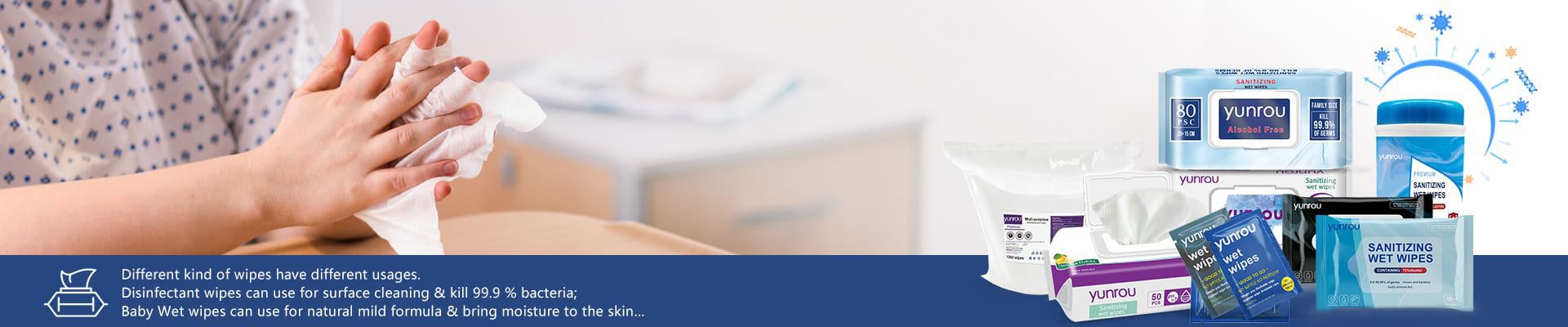
Biodegradable wipes have been touted as a more eco-friendly alternative to traditional wipes, which can take years to degrade in landfill or cause environmental damage if flushed down the toilet. But are these "eco" wipes really as green as they claim to be?
However, not all wipes labeled as "biodegradable" meet these criteria. Some brands use vague or misleading terminology that can confuse consumers into thinking they are buying a more environmentally-friendly product than they actually are. For example, the term "compostable" may suggest that the wipes will break down quickly in a compost heap, but this is only true if the conditions are right and the wipes are made from fully biodegradable materials.
So, what can consumers do to make sure they are using the most environmentally-friendly wipe option? Look for wipes that are certified by independent organizations like the Forest Stewardship Council or the Soil Association, which verify that the materials used to make the wipes are sustainably sourced and free from harmful chemicals. Look for terms like "100% biodegradable" or "made from natural materials" rather than vague or greenwashed claims.
Sep 18, 2023
Ou ka renmen tou


Voye mesaj